
Think of a great movie, and maybe the first one that comes to mind follows a story where the main character starts out not really knowing what to do, faces a series of challenges, learns a few lessons along the way, and ends up in a better place than where they started. That’s basically the idea behind the Hero’s Journey, a storytelling structure that movies have been using for decades, especially in adventure, fantasy, and coming-of-age stories. But does every character really need to go through that process to lead a good film?
Sometimes, reworking that structure can actually make a feature even better than it would have been if it had followed the usual formula. The movies on this list are great examples of how stepping away from traditional storytelling can make a narrative even more interesting. Warning: Spoilers ahead.
4) The Big Lebowski
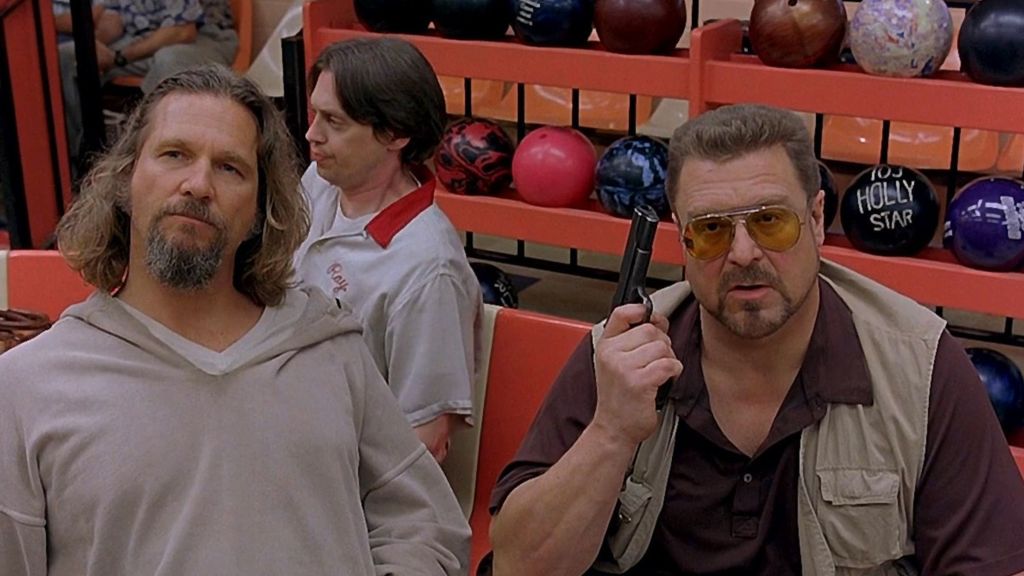
The funniest thing about The Big Lebowski being on this list is that its protagonist is probably the worst possible candidate for a Hero’s Journey. Jeffrey Lebowski, or simply The Dude (Jeff Bridges), has no big ambitions, isn’t trying to prove anything to anyone, and, if he has it his way, his biggest concerns would always be bowling and enjoying his White Russians in peace. But everything changes when two criminals break into his home by mistake, confusing him with a millionaire who shares his name, and end up ruining his favorite rug. Annoyed by the whole situation, The Dude decides to track down the man responsible for the mix-up and get some compensation, only to find himself caught up in a mess involving kidnappings and blackmail.
Looking at it that way, it seems like everything is setting the stage for an adventure where he has to learn how to deal with complicated situations. However, that was never the point. The Dude doesn’t really learn anything and doesn’t become more responsible. In fact, he spends most of the movie just trying to figure out what’s going on. In a more conventional story, all these experiences would lead to some kind of change in the character’s personality, but The Big Lebowski doesn’t feel the need to give him a major character arc. The Dude ends up pretty much where he started because, sometimes, someone who wants nothing more out of life than to be left alone can make for a much more entertaining story than someone trying to save the world, for example.
3) No Country for Old Men
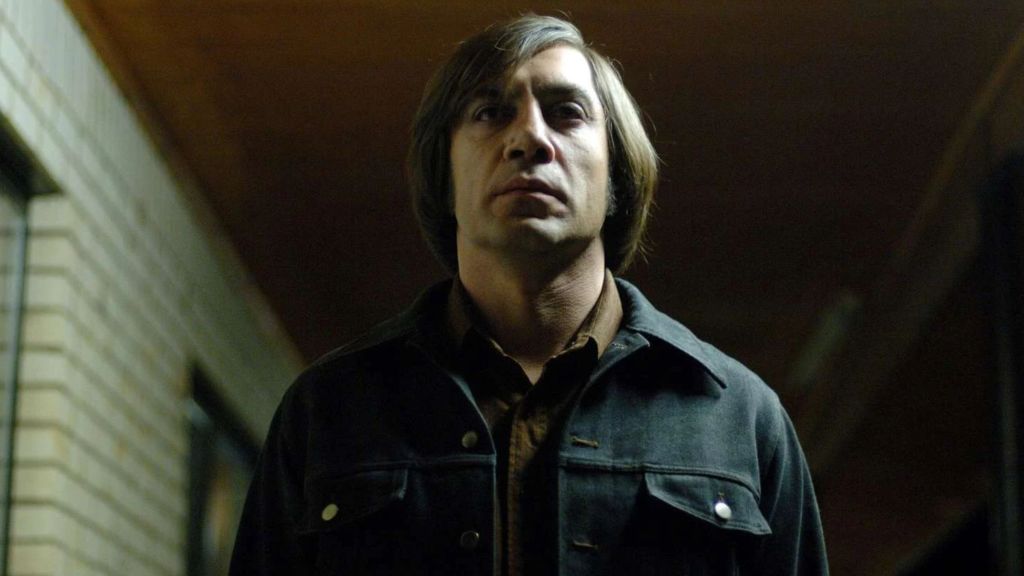
Even if you haven’t watched No Country for Old Men, chances are you’ve heard of it at least once, whether because of its villain, its performances, or the fact that it won an Oscar. But did you know its structure is actually based on the Hero’s Journey? And the best part is how the movie subverts it in an unexpected way. Here, we have Llewelyn Moss (Josh Brolin), who seems to have everything a thriller protagonist needs: he’s smart, knows how to defend himself, and manages to escape situations that would probably kill just about anyone else. After finding $2 million at the scene of a drug deal gone wrong, he decides to keep the money, even though he knows someone will come looking for it. That’s when Anton Chigurh (Javier Bardem), a hitman, shows up and starts hunting him down.
Throughout the movie, everything seems to be building toward that inevitable showdown between the hero and the villain. But instead, the film kills off its protagonist off-screen, without even giving the audience a chance to see their final confrontation. And things don’t get much better with Sheriff Ed Tom Bell (Tommy Lee Jones), who spends most of the time trying to find Moss and stop Chigurh, only to retire without solving the case the way he wanted. In other words, in No Country for Old Men, the structure is there, but the film doesn’t follow it all the way through. The main character doesn’t defeat the villain, who doesn’t even face consequences proportional to his crimes. It’s a pretty bold storytelling choice, but one that worked amazingly well.
2) Inside Llewyn Davis
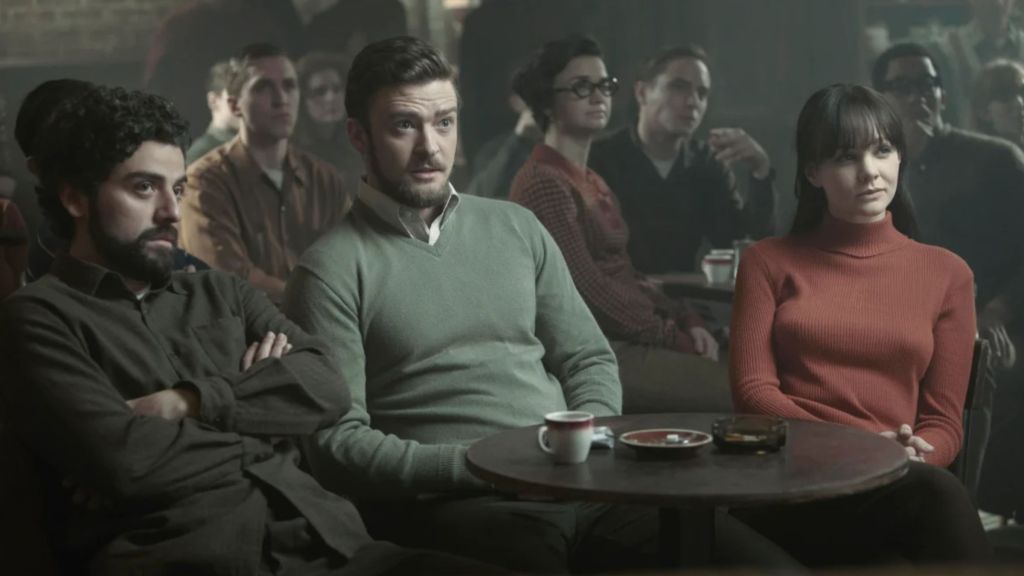
What about the kind of movie about someone trying to achieve a dream? That’s the typical story you’d expect to follow the Hero’s Journey, but Inside Llewyn Davis wants nothing to do with that. Set in New York’s folk music scene in the ’60s, we follow the title character (Oscar Isaac), a talented musician trying to build a career after the death of his former musical partner. With no money, no place to live, and relying on the kindness of friends to have somewhere to spend the night, he keeps performing at small clubs while looking for an opportunity to get recognized. At some point, Llewyn decides to travel to Chicago in hopes of landing a record deal with a music producer, but the trip leads nowhere, and he ends up back in New York in pretty much the same situation.
The idea here is not to make him the typical underdog who just needs one chance to prove his worth. He really is talented, but he’s also a difficult person and keeps pushing away the people who could help him. And unlike what happens in many stories like this, these experiences don’t seem to teach him anything, as Llewyn keeps making the same mistakes and expecting different results. Overall, it’s a much less optimistic approach because it doesn’t meet any expectations and might even leave some people frustrated, but it’s a very good one if you look at Inside Llewyn Davis from a realistic perspective. Watching a film about overcoming adversity can be rewarding, but following someone who’s trying and just not making it can be relatable and make us reflect on our own relationship with our life goals.
1) The Wrestler
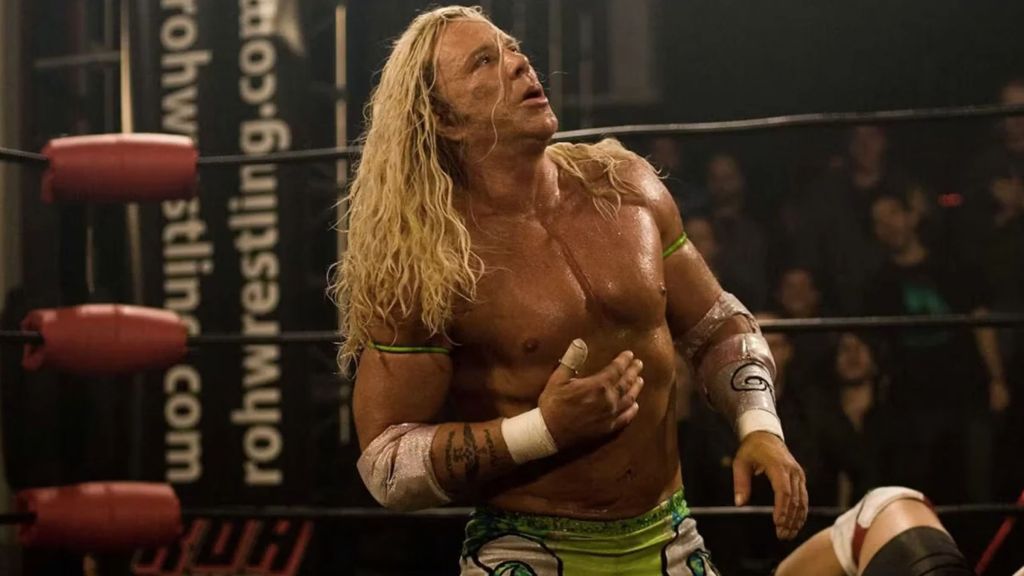
Now imagine a story where the main character hits rock bottom. It couldn’t go any other way than the predictable path: after losing everything, they get a chance to start over, recognize their own mistakes, and finally make the right choices, right? But The Wrestler shows that a movie can deny its protagonist that kind of redemption and still be absolutely wonderful. The story revolves around Randy “The Ram” Robinson (Mickey Rourke), a professional wrestler who was quite successful in the ’80s but is now past his prime and struggling financially. He eventually agrees to take part in a match, but suffers a heart attack and is then warned by his doctor that if he returns to the ring, he might not survive.
The problem is that Randy doesn’t really know how to live outside the world he’s spent most of his life in. He has opportunities to improve his relationship with his daughter and build a new life, but wrestling is much more than a job to him. So, when he gets the chance to take part in a rematch against his former rival, he decides to return, even knowing the risks. In a conventional story, this would be the moment when he chooses his family and his future over staying trapped in the past, but The Wrestler shows that a second chance isn’t always enough to make someone change. The film’s ending leaves his fate uncertain and keeps the story from becoming an inspirational tale, turning the Hero’s Journey on its head. But there’s something else valuable in that choice too: its humanity.